Model historyUpdated · 6 min read
Why Has the Camry Kept Winning for Over 40 Years? A Timeline of Its Survival Logic
Many midsize sedans have come and gone since 1982. The Camry is still here. Its history shows a clear pattern that still explains why dealers order it.
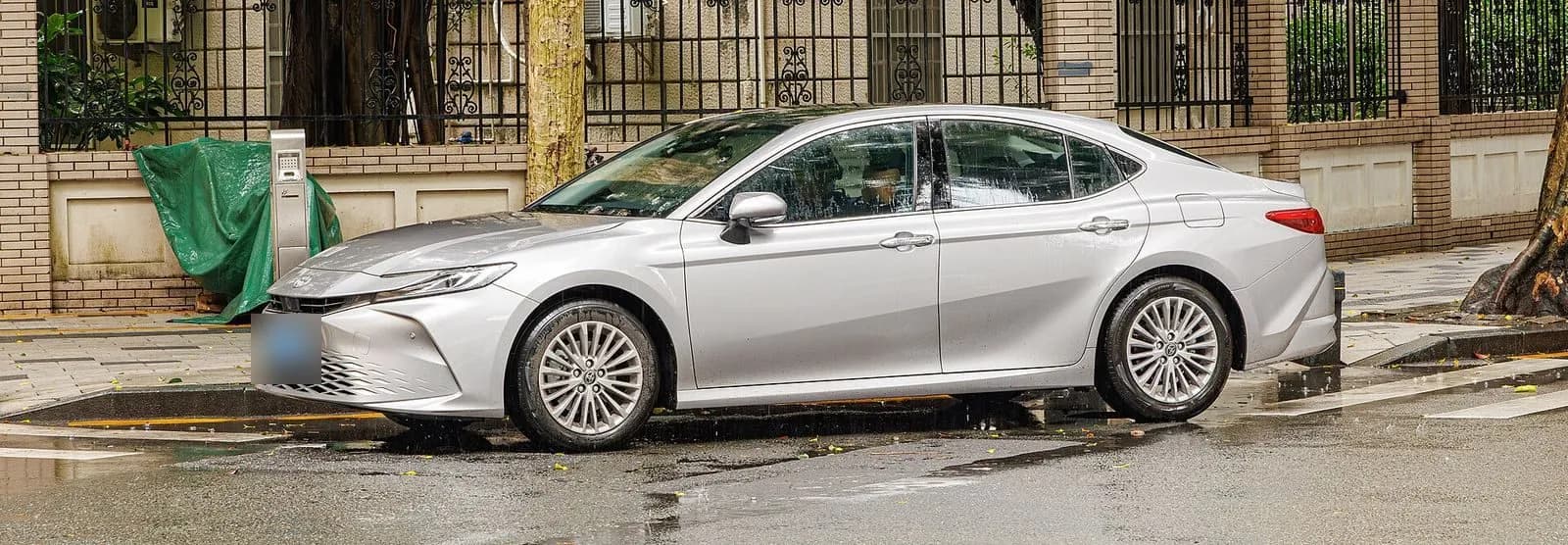
The Camry name first appeared in 1980 on a Japanese-market sedan called the Celica Camry. Two years later it became its own front-wheel-drive model, and it has been in production ever since. The name comes from the Japanese word kanmuri, meaning crown. Over nine generations, many rival midsize sedans have been dropped or shrunk. The Camry survived by following a few simple rules, and those rules still explain why importers order it today.
The timeline
| Years | Generation | What changed |
|---|---|---|
| 1980 | Celica Camry | The Camry name is first used, on a rear-wheel-drive sedan for Japan. |
| 1982 | V10 | First standalone Camry, front-wheel drive. Exports to North America begin in 1983. |
| 1986 | V20 | Second generation; a wagon is added and a V6 follows. |
| 1988 | V20 | Production starts at Toyota's plant in Georgetown, Kentucky. |
| 1991 | XV10 | A wider, larger Camry for export markets, moving it into the midsize class. |
| 1996 | XV20 | Simpler engineering aimed at cost and reliability. |
| 2001 | XV30 | Larger body and more cabin space. |
| 2006 | XV40 | First Camry Hybrid. Guangzhou Toyota (now GAC Toyota) starts building the Camry in China. |
| 2011 | XV50 | Refined, conservative update; strong fleet and taxi demand. |
| 2017 | XV70 | New TNGA-K platform, lower and sharper styling, new engines. |
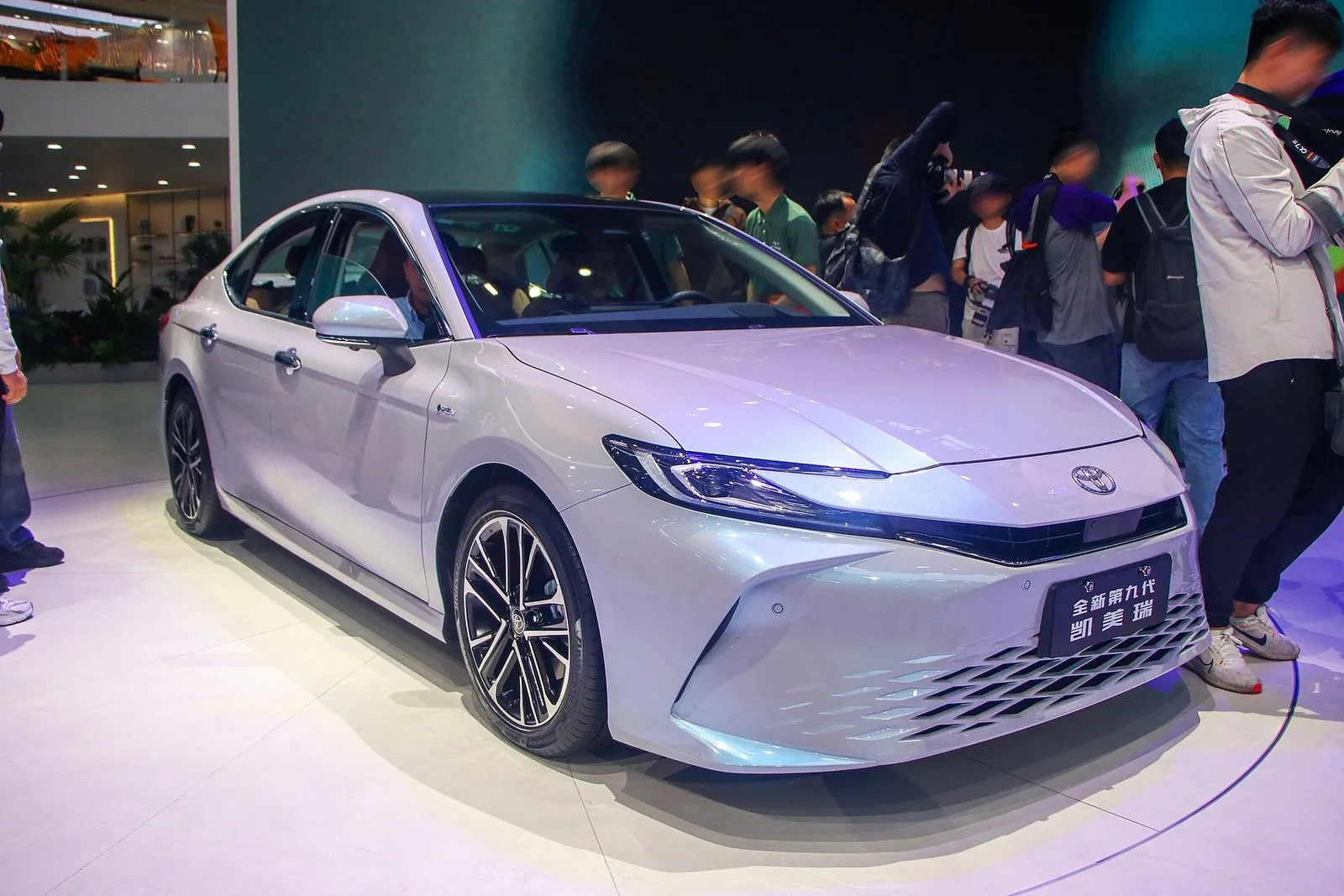
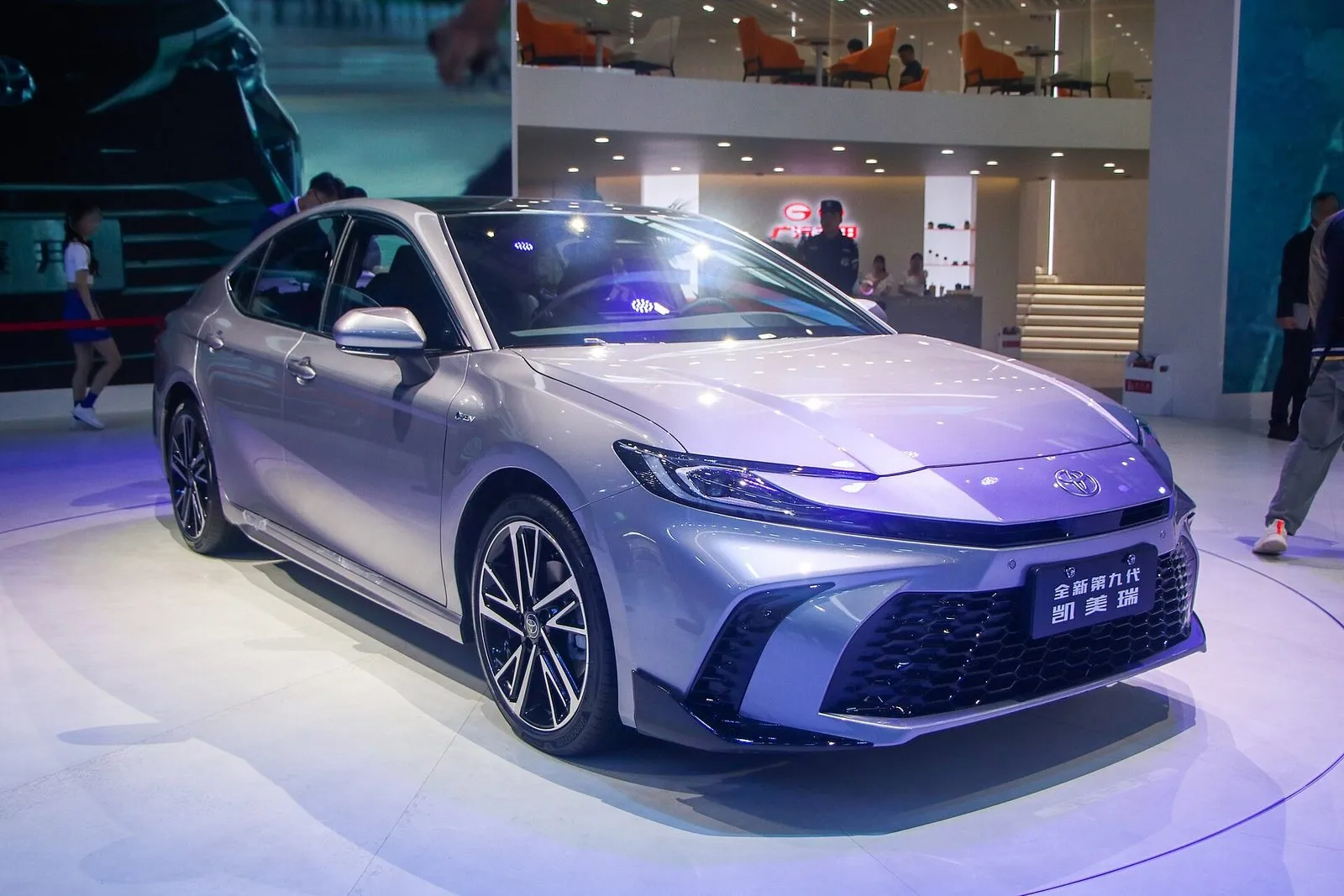
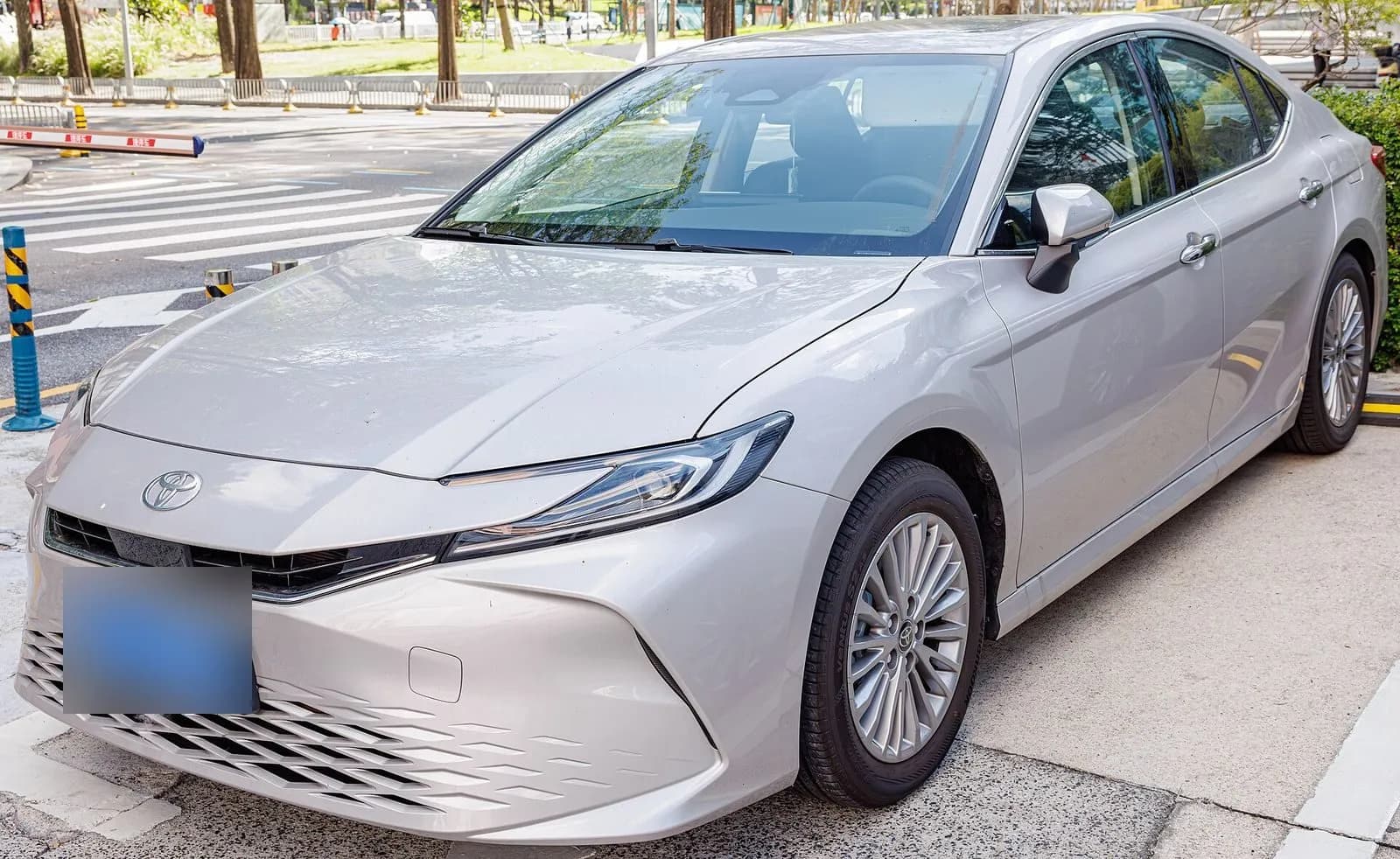
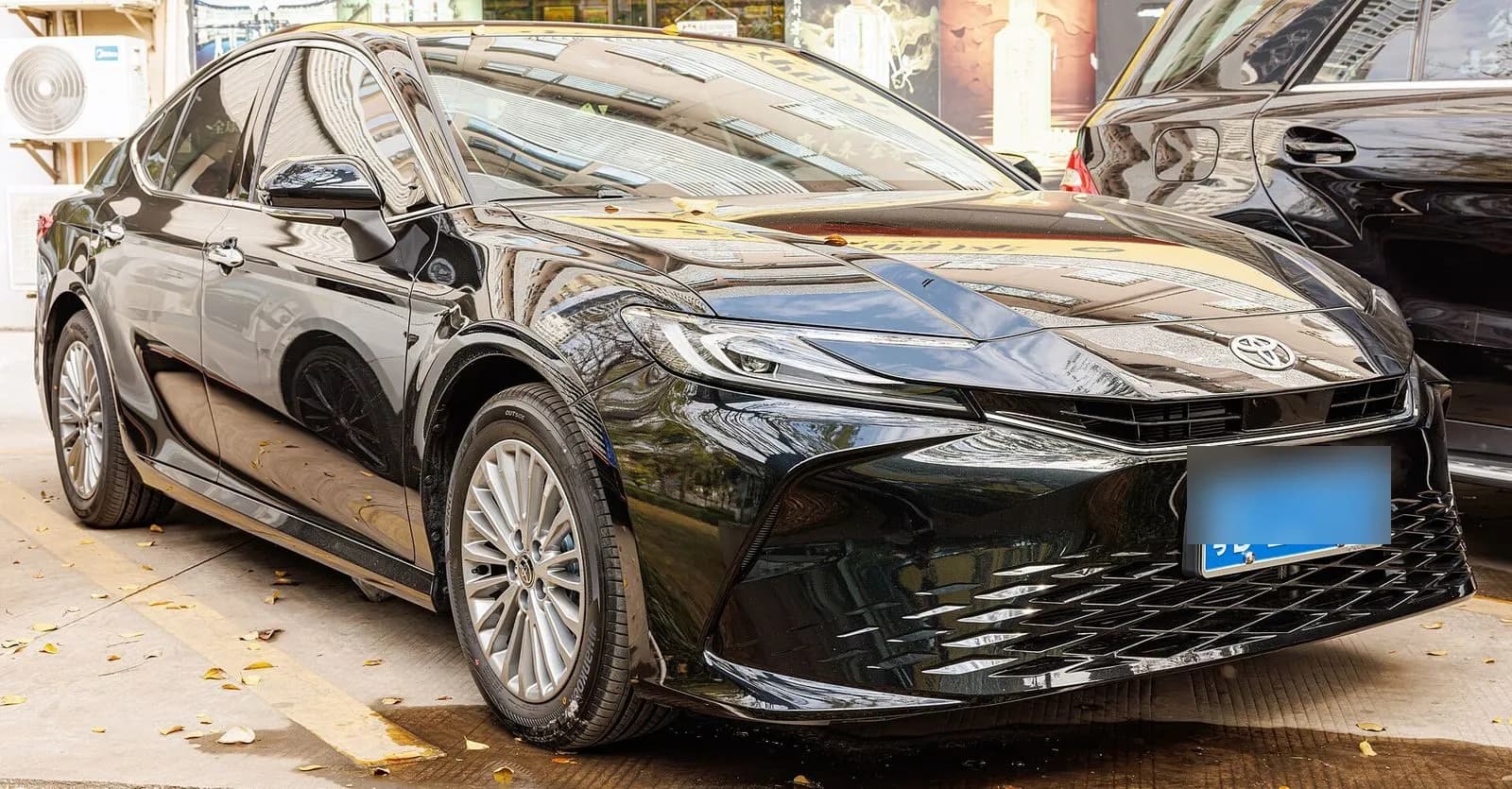
| 2023 to 2024 | XV80 | Ninth generation revealed in late 2023; China launch in 2024 with petrol and hybrid versions. |
| 2025 | XV80 2026 MY | China 2026 model year launched on 29 July 2025. |
| 2026 | XV80 2027 MY | China 2027 model year launched on 19 August 2026 with a 15.6-inch screen on every trim. |
Rule 1: Be the safe choice, not the exciting one
For most of its life the Camry was not the most stylish or fastest car in its class. It aimed to be the car that starts every morning, holds its value and costs little to run. That reputation took decades to build, and it is the main reason the Camry became the best-selling car in the United States in most years from the late 1990s onward. For an importer, that reputation is stock that sells without much explaining.
Rule 2: Build the car where it sells
Toyota moved Camry production close to its biggest markets early. Kentucky began building Camrys in 1988, and Guangzhou started in 2006. Local production lowered costs, cut exposure to exchange rates and trade disputes, and let Toyota tune each version for local buyers. That is why the China-market Camry today has its own trims, its own 2.0L petrol engine and its own cabin technology.
Rule 3: Move to hybrid early, but do not force it
The Camry Hybrid arrived in 2006, long before most rivals had one. Toyota then spent nearly two decades making the system cheaper and more reliable. By the ninth generation, Toyota made the North American Camry hybrid-only. In China it kept both: a 2.0L M20C petrol with 173 PS and a CVT, a 2.0L hybrid with 197 PS system output, and a 2.5L hybrid with 230 PS. Reading each market rather than forcing one answer is the same logic that keeps the car alive. Read about hybrid durability in our Camry hybrid battery article.
Rule 4: Change the look when the market moves
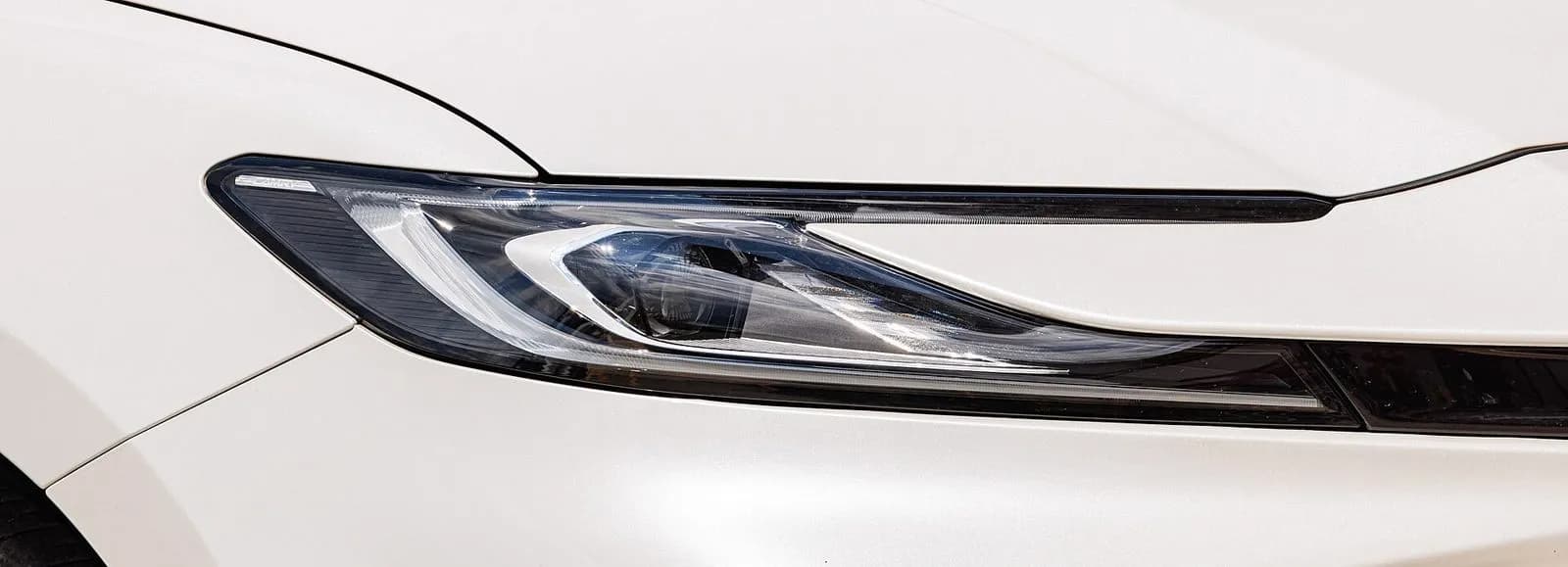
By the mid-2010s the Camry had a reputation for being dull, and sedan buyers were moving to SUVs. The 2017 XV70 answered with a lower body, a much bolder face and better handling on the new TNGA-K platform. It did not stop the SUV trend, but it gave the Camry a reason to exist for buyers who still wanted a sedan. The XV80 continues that direction, and the China 2027 model year pushes the cabin forward with a 15.6-inch centre screen.
Rule 5: Stay useful to fleets
Taxi companies, ride-hailing drivers, government fleets and rental firms have all bought Camrys in large numbers. Fleet buyers care about uptime, parts supply and resale, and a car that serves them well builds trust with private buyers too. This is why the Camry still appears in tenders and fleet orders in many of the markets we ship to.
What this means for dealers: the Camry sells on reputation, so the risk is lower than with a new or unknown model. Your job is to pick the right powertrain for your market and make sure local service can support it.
Where the Camry stands in 2026
Toyota stopped selling the Camry in Japan at the end of 2023, while North America moved to hybrid only. China is now one of the few major markets offering both petrol and hybrid ninth-generation Camrys, built by GAC Toyota in left-hand-drive form. For importers in drive-on-right markets, that makes China a practical source. See the current line-up on the 2027 Toyota Camry page or start from our home page.
Toyota's official corporate history is published on Toyota Global for readers who want the primary source.
FAQs
When was the first Toyota Camry made?
The name first appeared in 1980 on the Japanese Celica Camry. The first standalone, front-wheel-drive Camry followed in 1982.
Which generation is the current Camry?
The ninth generation, often called XV80. In China it is built by GAC Toyota and sold in 2026 and 2027 model years.
Is the China-market Camry still offered with a petrol engine?
Yes. China offers a 2.0L M20C petrol engine with 173 PS and a CVT, alongside the 2.0L and 2.5L hybrids.