Hybrid guideUpdated · 7 min read
How Long Does a Camry Hybrid Battery Really Last? What the Evidence Says at 10 Years / 200k Miles
Hybrid battery life is the first question many dealers hear from customers. Here is what the evidence supports, what it does not, and how to answer buyers honestly.
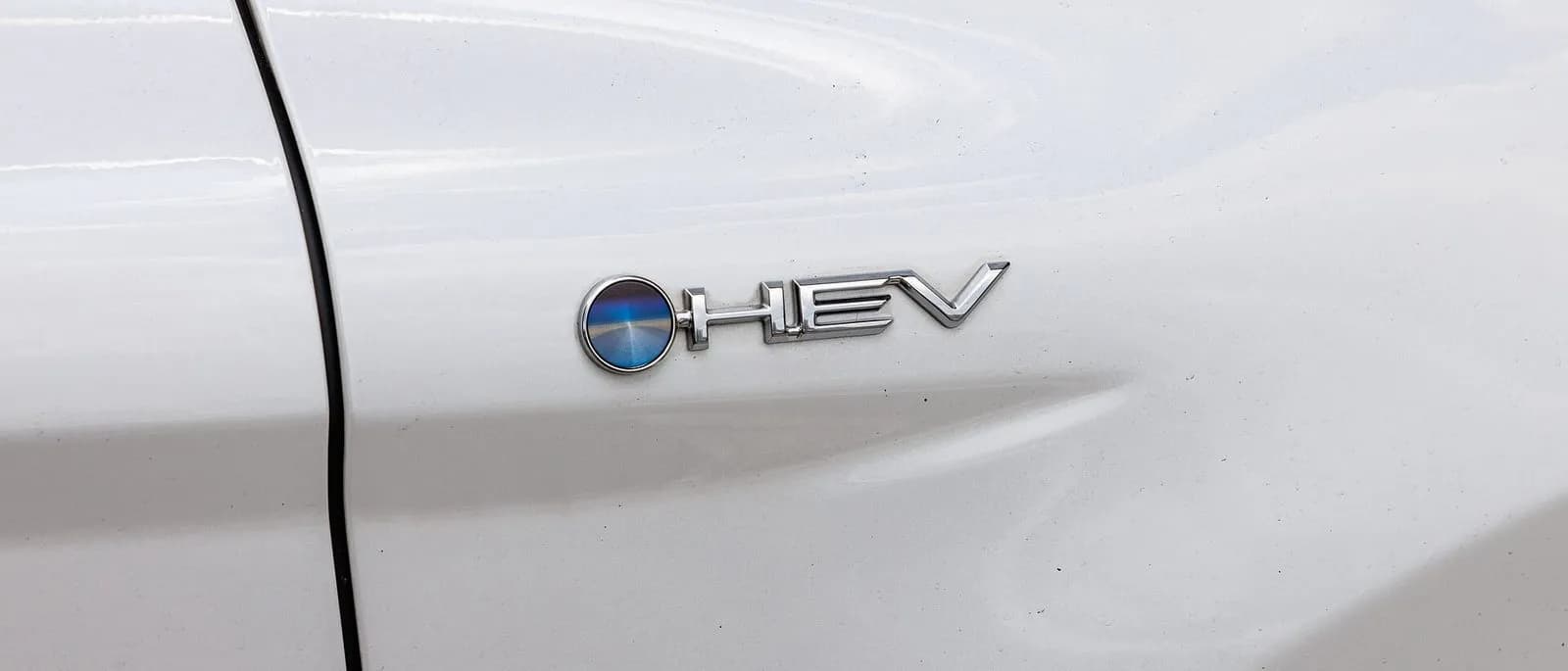
Short answer: most Toyota hybrid batteries last well beyond what buyers fear, and many cars reach 10 years or 200,000 miles (about 320,000 km) on the original pack. But that is a common outcome, not a promise. Heat, long periods of standing and poor cooling all shorten battery life, and no honest seller can guarantee a mileage figure. This article sets out what the evidence actually supports.
What does the evidence show?
There is no single public study that tracks Camry hybrid batteries across all markets. What we do have are three useful signals:
- Toyota's own warranty. In the United States, Toyota extended its hybrid battery warranty to 10 years or 150,000 miles, whichever comes first, starting with the 2020 model year. A manufacturer does not offer that cover unless it expects most packs to outlast it.
- Independent tests of high-mileage cars. Consumer Reports tested a Prius with roughly 200,000 miles in 2011 and found its fuel economy and acceleration close to the figures it measured when the car was new. That was an older nickel-metal-hydride system, but it uses the same basic Toyota hybrid design.
- Fleet experience. Toyota hybrids have been used as taxis in many cities for over 15 years. Taxi operators report many cars running very high distances on the original battery. These are reports, not controlled data, so treat them as encouraging rather than proof.
For background on how hybrid batteries work and how they are warrantied, the US government's FuelEconomy.gov hybrid page and the Alternative Fuels Data Center are good neutral sources.
Why do Toyota hybrid batteries last so long?
The main reason is how the battery is used. A self-charging hybrid like the Camry never fully charges or fully empties its pack. The control system keeps the charge in a narrow middle band and does not let the driver change that. Shallow cycles in the middle of the range wear a battery much more slowly than deep cycles from full to empty, which is what a phone battery goes through every day. The pack is also small and works alongside the engine, so it is rarely pushed hard for long.
What shortens battery life?
| Factor | Why it matters | What owners can do |
|---|---|---|
| High heat | Heat speeds up chemical ageing in every battery type. | Park in shade where possible; keep the cabin cooling working. |
| Blocked cooling intake | The pack is cooled by cabin air through an intake vent. Dust, pet hair or luggage over the vent raise its temperature. | Keep the vent clear and have the intake filter or fan cleaned at service. |
| Long periods unused | A car left standing for months can let the pack and the 12 V battery run low. | Drive the car regularly, or start it and let the hybrid system run periodically. |
| Neglected service | Faults in fans, sensors or the 12 V system can be blamed on the main pack. | Use a workshop that can read hybrid fault codes. |
Hot climates deserve special attention. Many of our buyers are in regions with long, hot summers. That does not rule out a hybrid, but it makes clean cooling vents and correct parking more important.
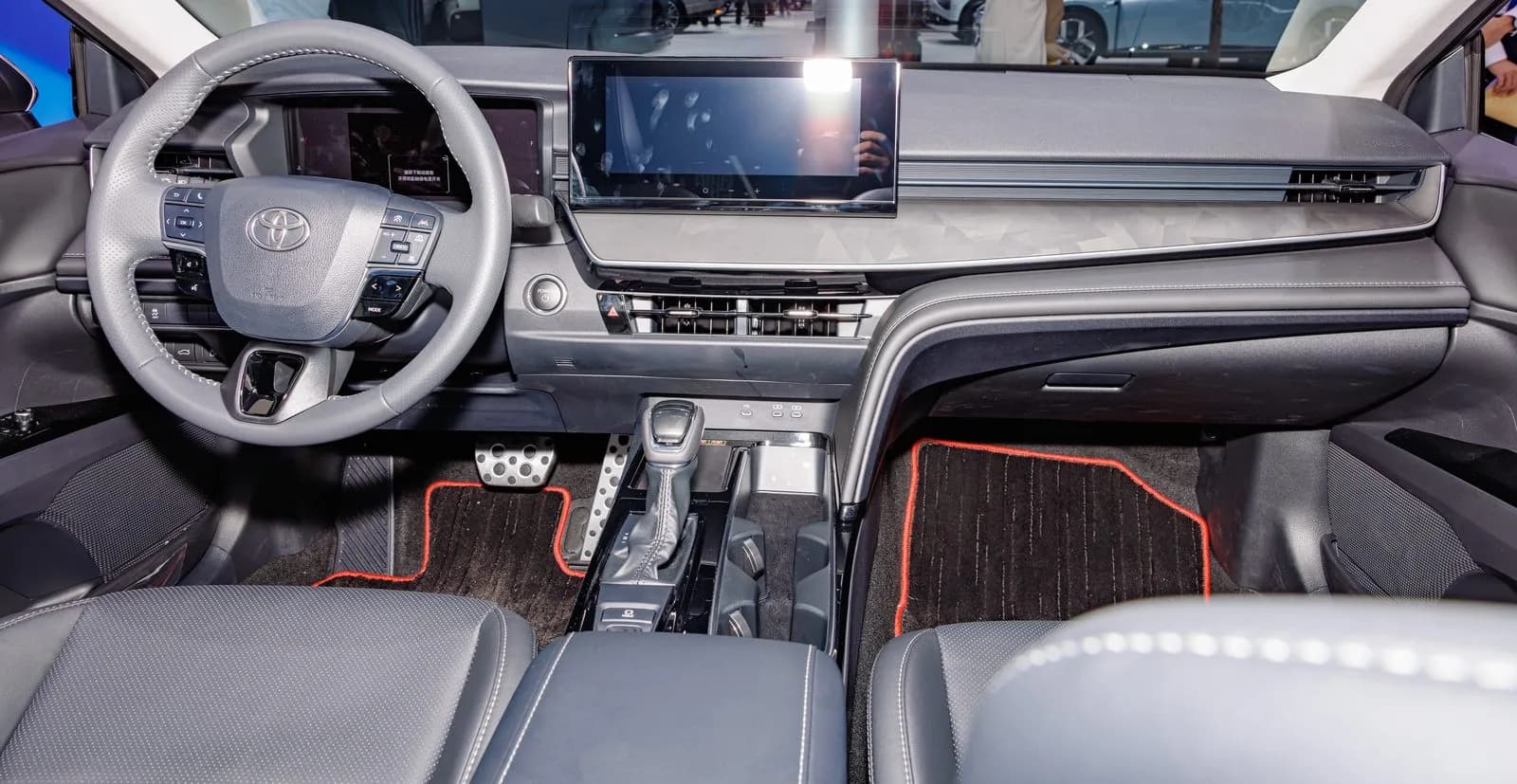
What are the signs of an ageing hybrid battery?
- Fuel economy drops noticeably with no other cause, such as tyres or driving style.
- The engine starts more often and runs longer than it used to.
- The battery charge display swings quickly between low and high.
- A hybrid system warning light appears on the cluster.
None of these on its own proves the pack has failed. A workshop with Toyota diagnostic equipment can test the battery and the cooling fan before anyone replaces parts.
What does this mean for the China-market Camry hybrid?
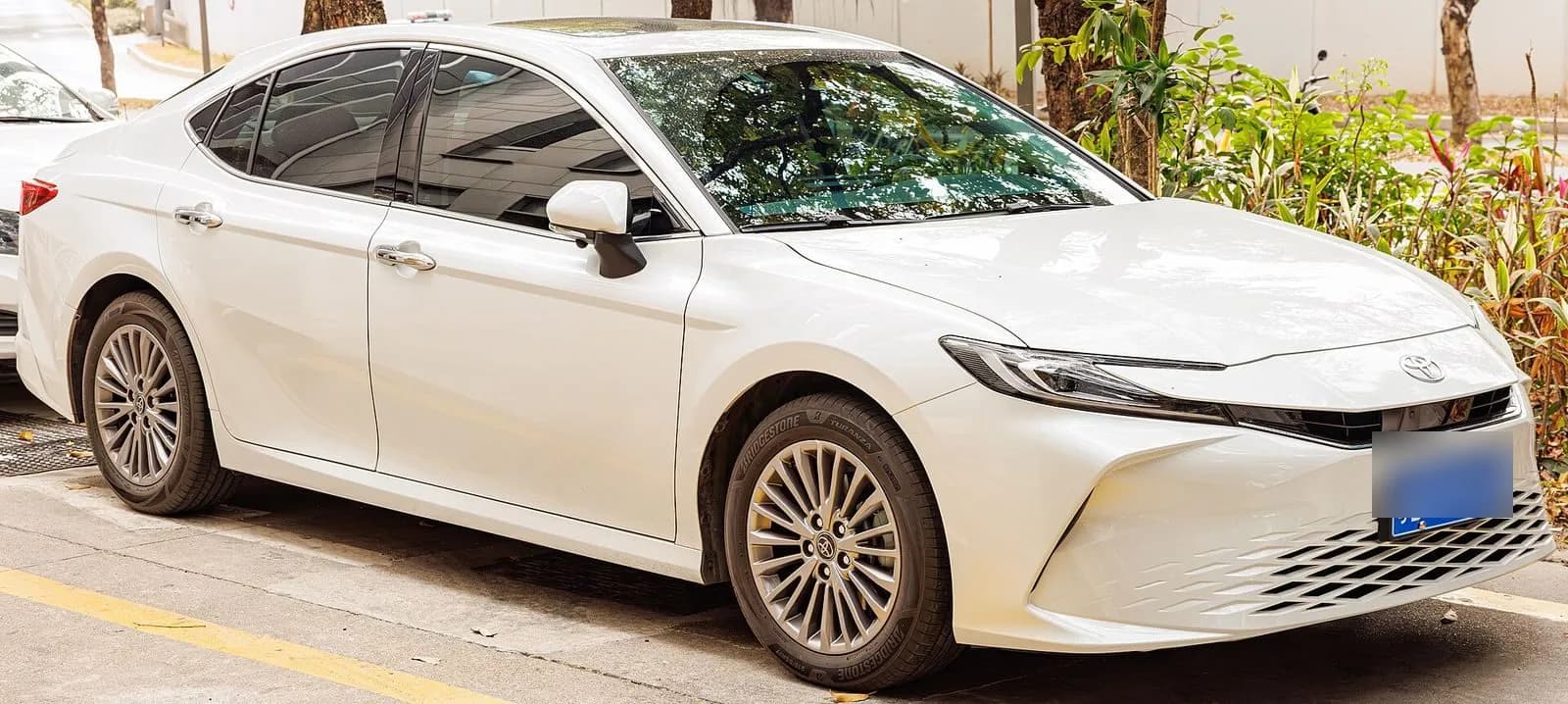
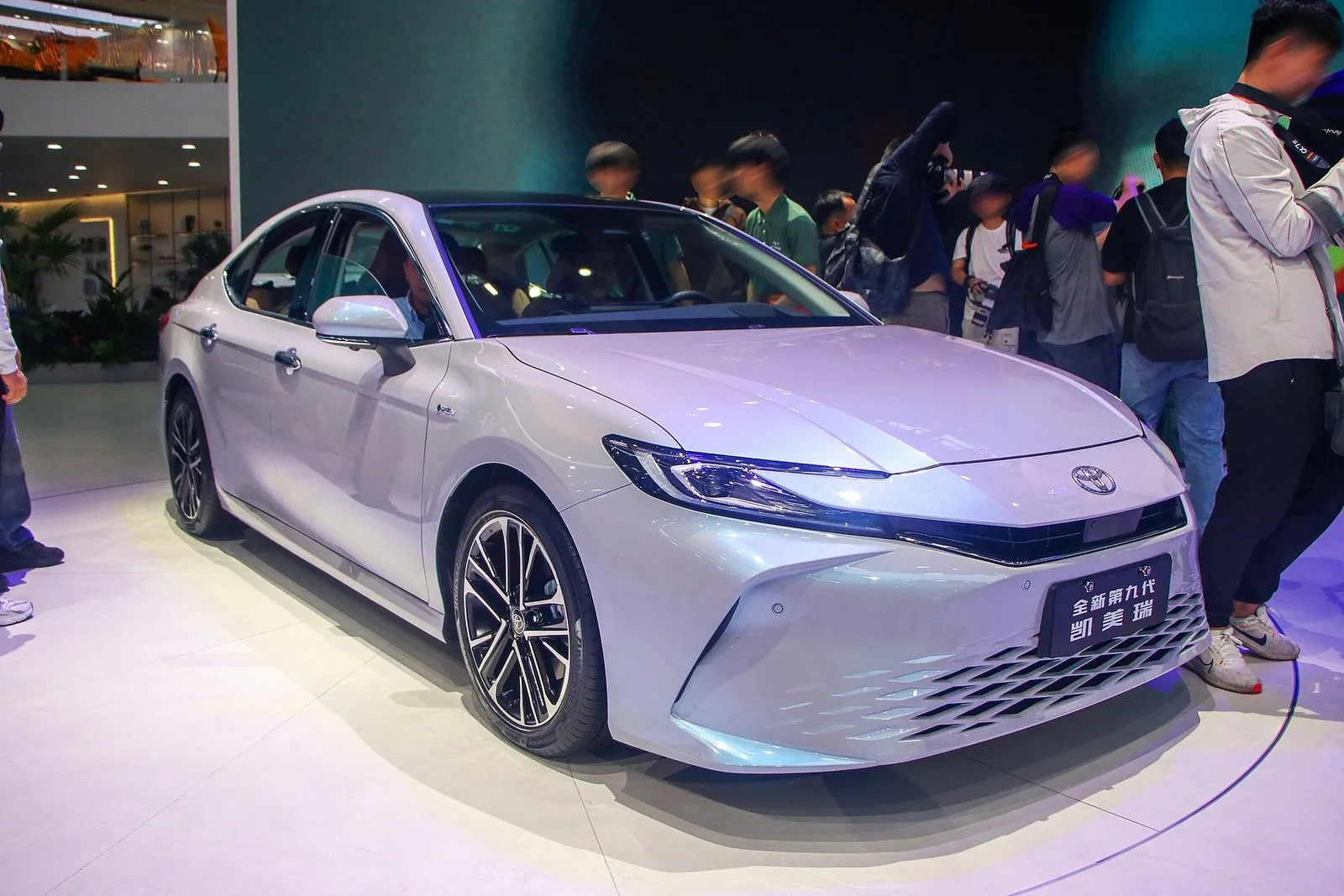
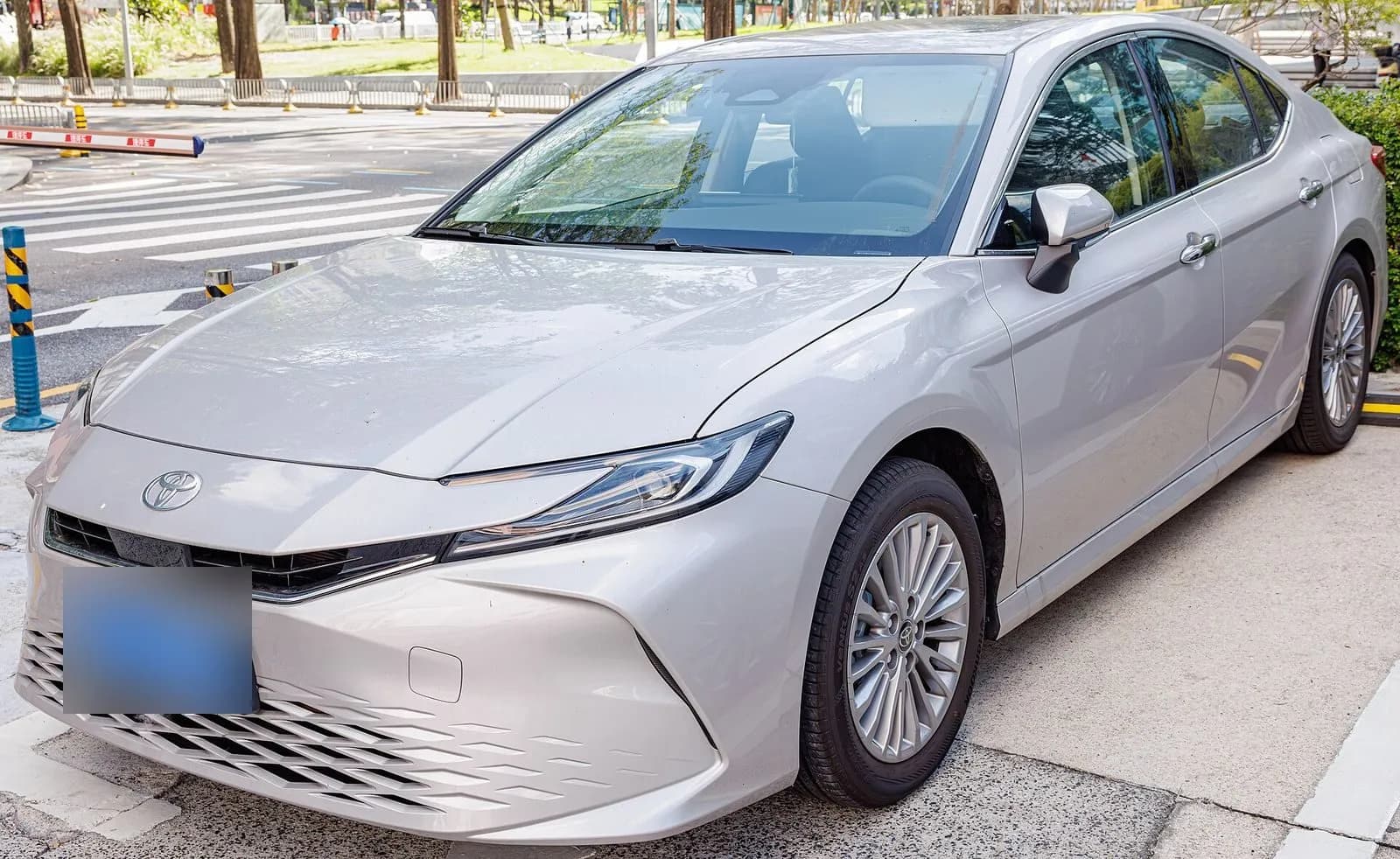
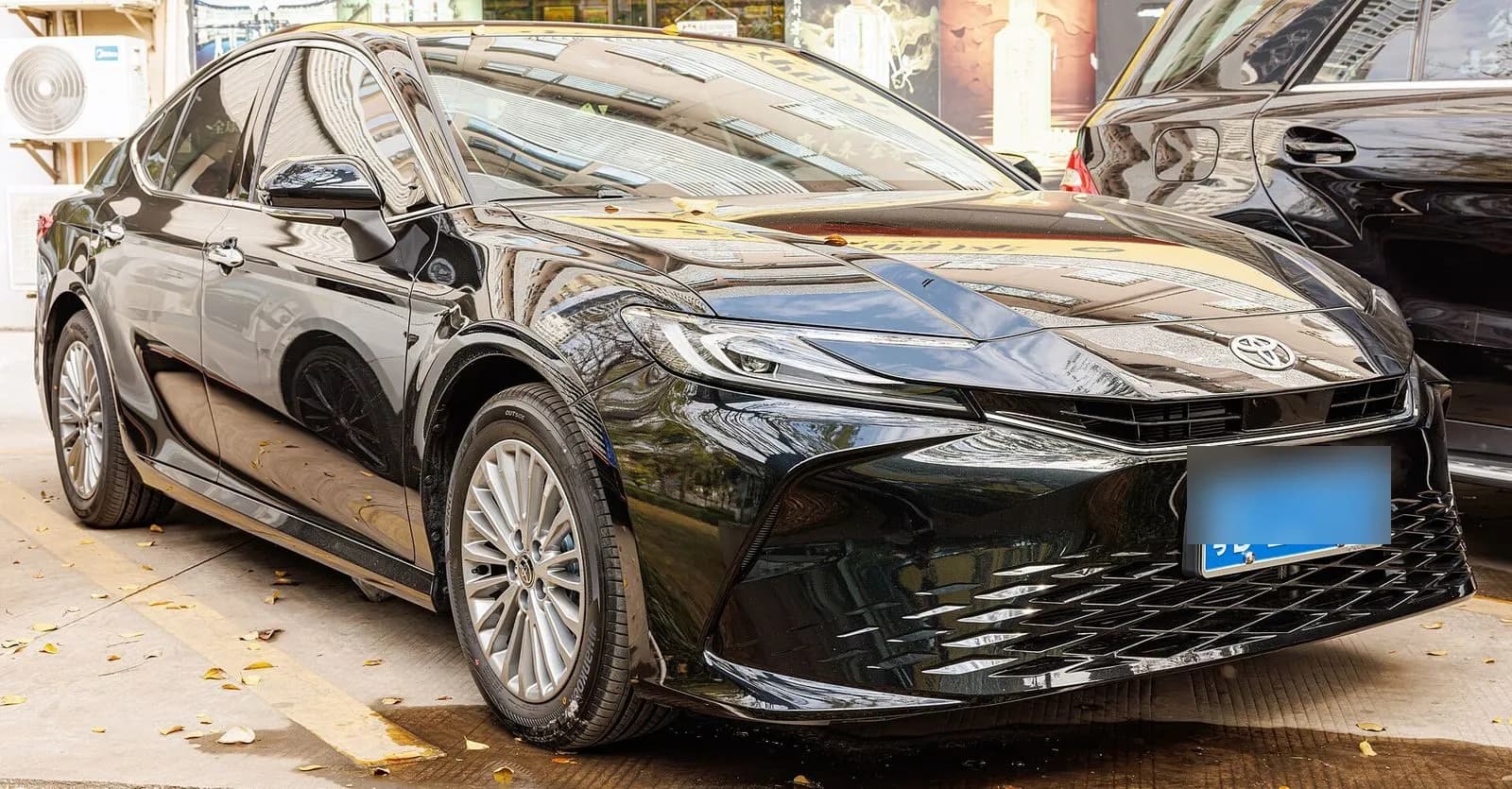
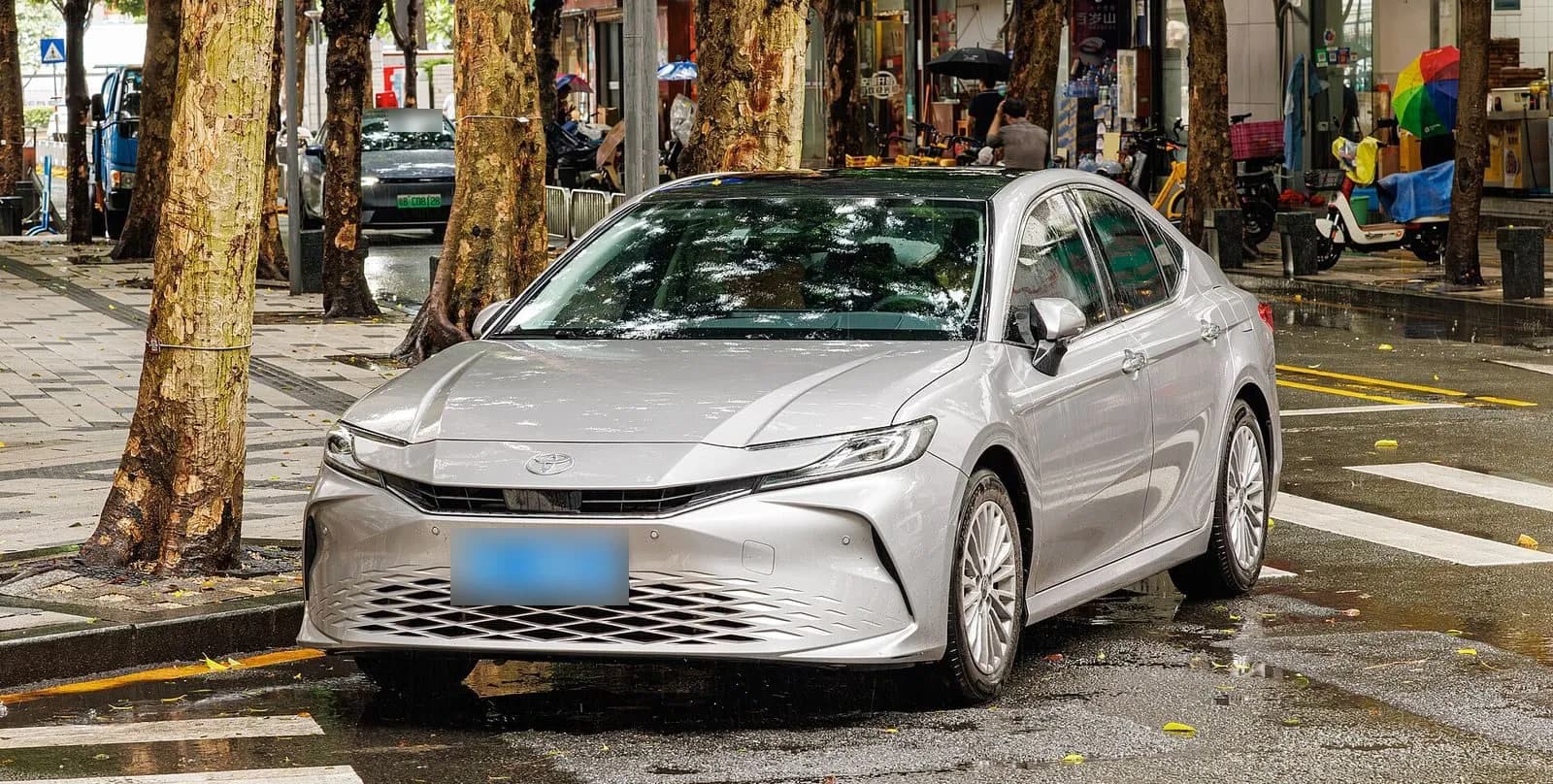
The China-market XV80 Camry is offered with a 2.0L hybrid (197 PS system output) and a 2.5L hybrid (230 PS system output), both with an E-CVT. They use the current generation of Toyota's hybrid system. Every car we export is new, so your buyer starts with a fresh battery. See the full line-up on our Camry hybrid page, or a single trim such as the 2027 Camry 2.0L Hybrid Elite.
Two practical points matter more than the battery chemistry. First, warranty: the factory warranty in China is tied to the Chinese dealer network and does not normally follow a car exported to another country. Ask us what support applies to your order, and plan local after-sales support. Second, service capability: make sure at least one workshop in your area can diagnose Toyota hybrids before you sell them in volume.
We do not promise a battery lifespan, and you should not either. A fair way to answer customers: Toyota hybrid batteries have a strong record, many reach 10 years or 200,000 miles, and life depends on heat, use and care.
What if a battery does need replacing?
Owners usually have three options: a new pack from Toyota, a reconditioned pack from a specialist, or, on some older nickel-metal-hydride packs, replacement of individual weak modules. Prices vary widely by country and by the source of the parts, so get a local quote rather than relying on figures from another market. Common questions about warranty and parts are also covered in our buyer FAQs.
FAQs
Is the China-market Camry hybrid a plug-in?
No. It is a self-charging hybrid. The battery is charged by the engine and by regenerative braking, so the car never needs a charging point.
Does the China factory warranty cover the battery after export?
Normally no. The China factory warranty is tied to the Chinese dealer network. Ask us about support for your order before you buy, and plan local after-sales service.
Does a hot climate rule out a hybrid?
No, but heat is the biggest factor in battery ageing. Keep the battery cooling intake clean, park in shade where you can, and use a workshop that can check the cooling fan.