Buyer guideUpdated · 6 min read
The Best and Worst Years for the Toyota Camry: A Clear Buyer's Guide
Most Camrys are reliable, but a few years carry known issues. Here is a plain list of what to look for in older cars, and how to choose between the two new model years.
Short answer: the Camry has few truly bad years. The years most often flagged for problems are the 2007 to 2009 four-cylinder cars, which had an oil consumption issue, and some late-1990s cars affected by engine oil sludge. The strongest used years are broadly the later XV50 (2012 to 2017) and the settled years of the XV70. If you are buying new, the real question is the 2026 or the 2027 model year, covered at the end of this guide.
One caution first: most public reliability data comes from North America, where the Camry engines differ from the China-market ones. Use it as a guide to patterns, not as a verdict on a specific car.
Generation by generation
| Years | Generation | Verdict | What to check |
|---|---|---|---|
| 1997 to 2001 | XV20 | Check carefully | Engine oil sludge on some engines; Toyota ran a special policy covering 1997 to 2002 models. |
| 2002 to 2006 | XV30 | Fair | First-year cars drew automatic gearbox complaints; check shift quality and oil use. |
| 2007 to 2009 | XV40 | Approach with care | 2.4L four-cylinder (2AZ-FE) oil consumption, covered by a Toyota warranty enhancement in North America. Floor-mat and pedal recalls. |
| 2010 to 2011 | XV40 | Good | Check recall completion and oil use. |
| 2012 to 2017 | XV50 | Strong | Simple, proven drivetrains; normal wear checks. |
| 2018 | XV70 | Good, first year | Early complaints about gearbox shift feel; check software updates were applied. |
| 2019 to 2024 | XV70 | Strong | Settled production years; check recall status. |
| 2025 onward | XV80 | Too early to judge | New generation; limited long-term data so far. |
The pattern behind the problem years
The weak years share two causes. One is a specific engine issue, such as oil sludge in the late 1990s or oil consumption in the 2007 to 2009 four-cylinder. The other is the first year of a new generation, when new parts and software are still being refined. Both patterns are common across the car industry, not only at Toyota. If you are buying older cars, the safe habit is to avoid the first year of a generation unless the car's history is clear.
Are older Camry hybrids a good buy?
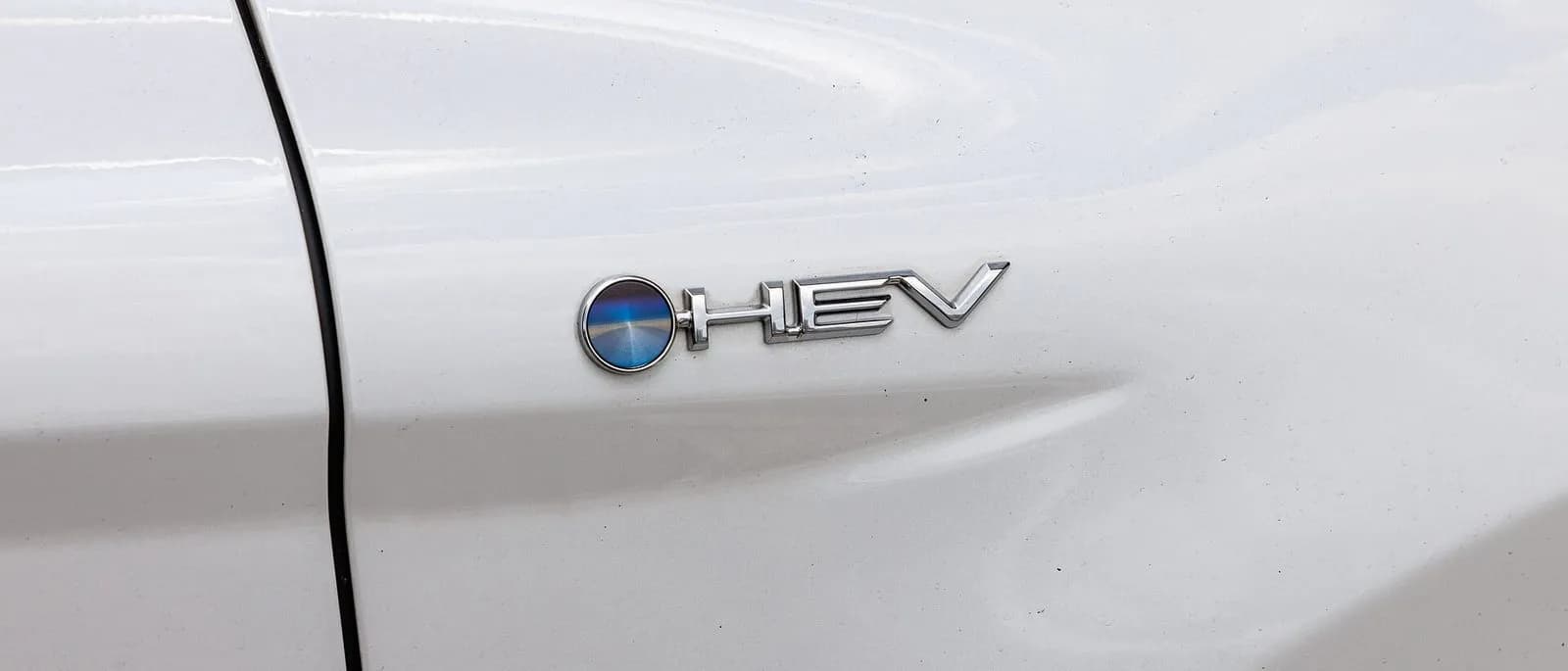
Older Camry hybrids, from the 2007 XV40 onward, have generally held up well, and many reach high mileage on the original battery. The risk is less the battery itself than its history: a car that sat unused for long periods, was driven in heavy heat with a blocked cooling vent, or was serviced by a workshop that cannot read hybrid fault codes. On any hybrid older than about ten years, budget for a battery health check before you buy, and price in the chance of a reconditioned pack. That check costs far less than guessing wrong.
How to check a specific car
- Recalls. For US-market VINs, use the NHTSA recall lookup. For other markets, ask the local Toyota distributor to check the VIN.
- Service records. Regular oil changes matter most on the years with known engine issues.
- Oil use. Ask how often the owner tops up oil between services. Frequent top-ups on a 2007 to 2009 four-cylinder are a warning sign.
- Hybrid health. On hybrids, have a Toyota-capable workshop check the battery and cooling fan. See our hybrid battery article.
- Independent reviews. Consumer Reports publishes owner-reported reliability by year for subscribers.
Reliability by year is a pattern, not a guarantee. A well-kept car from a weak year can be better than a neglected car from a strong one. Always judge the individual vehicle.
Buying new: the 2026 or the 2027 model year?
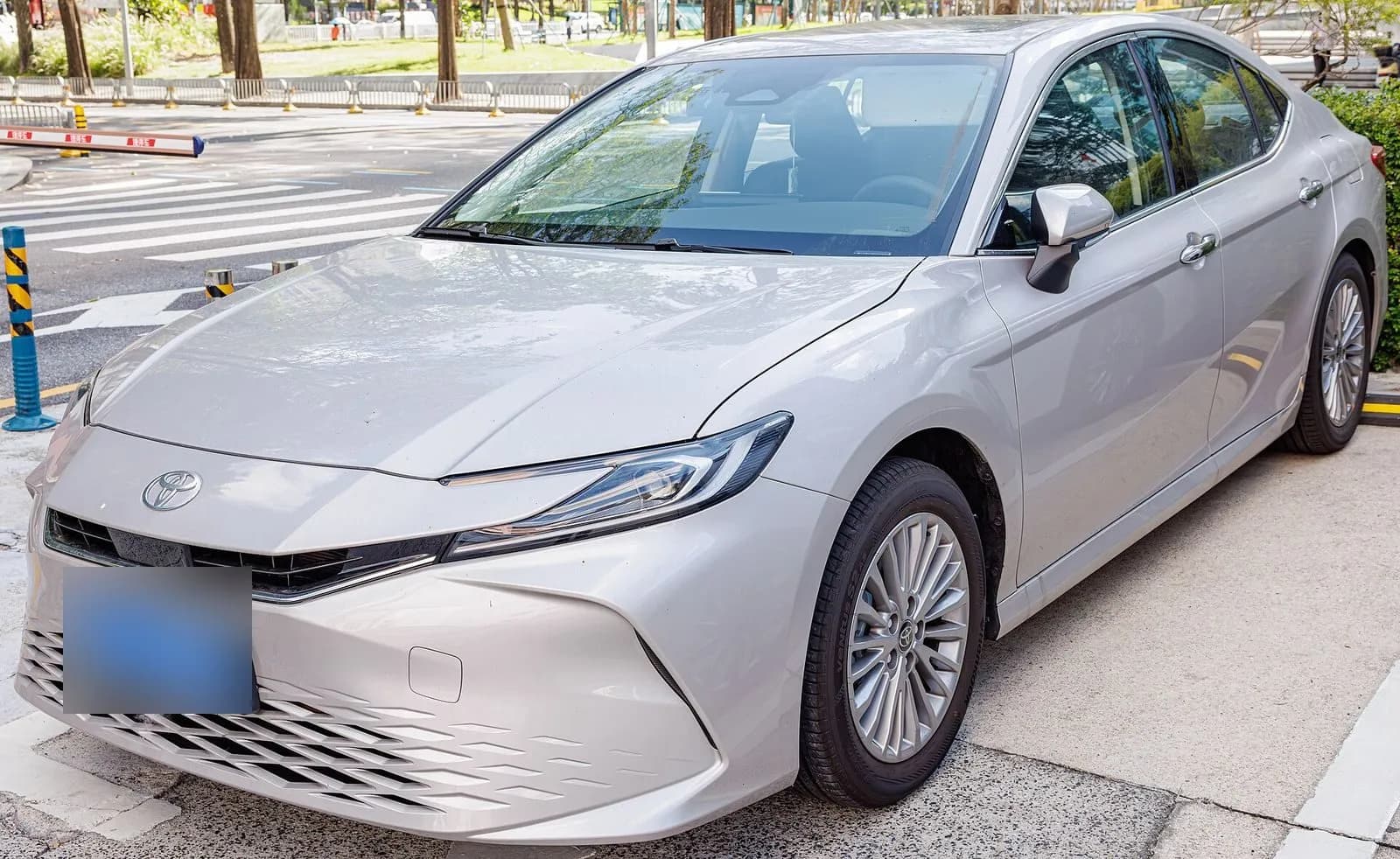
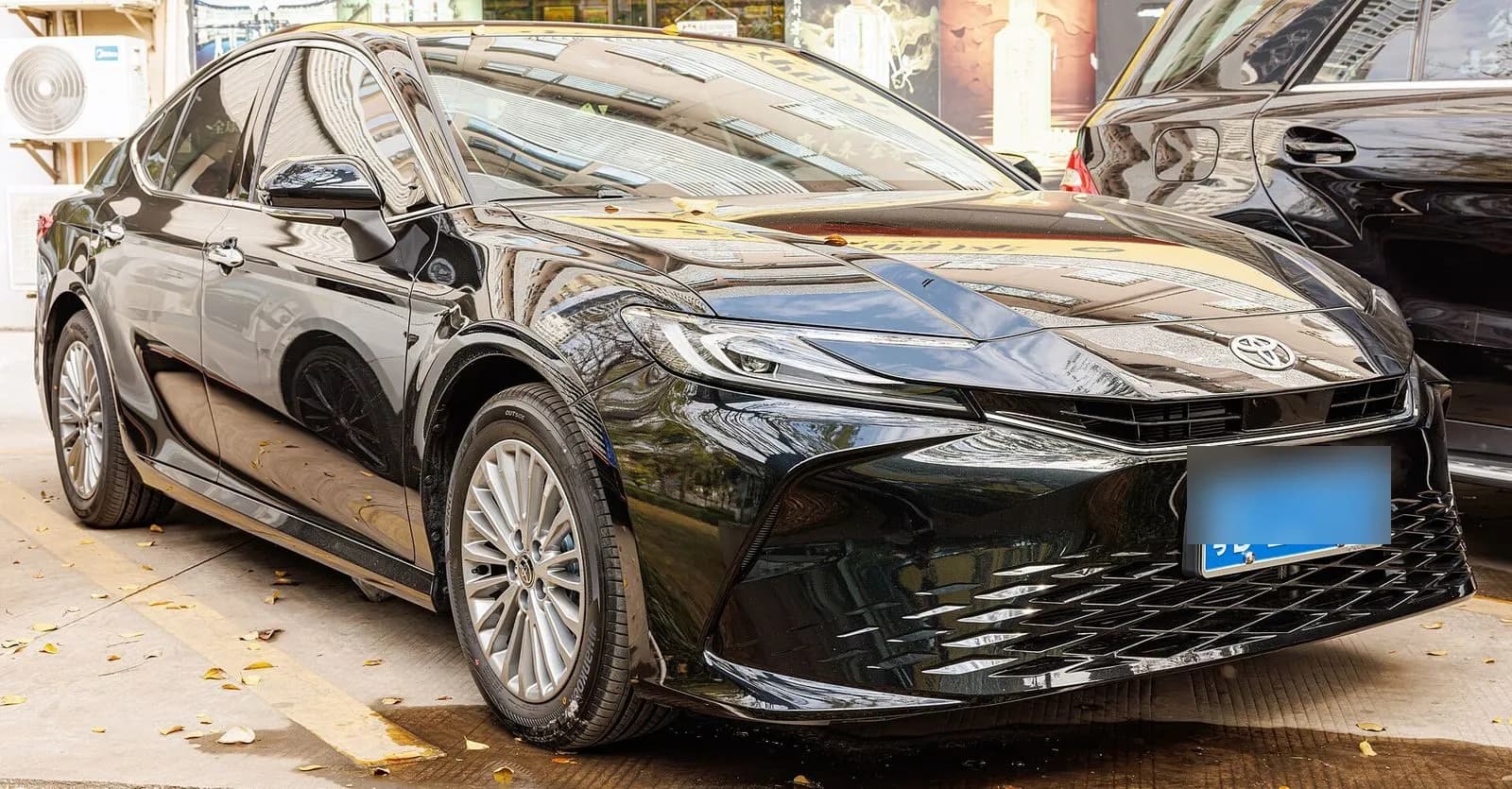
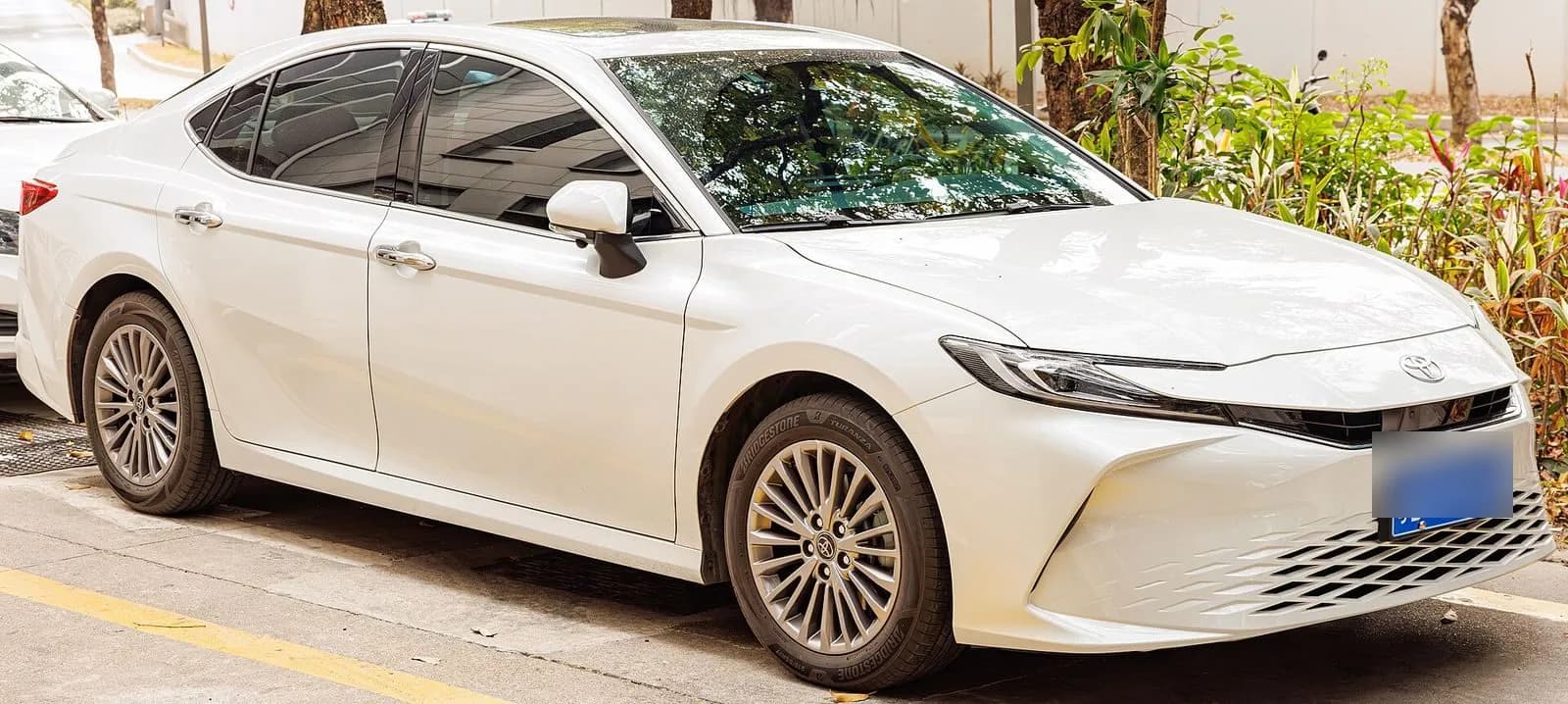
For importers buying new China-market Camrys, the old problem years do not apply. Both current model years are ninth-generation XV80 cars from GAC Toyota, with the same three powertrains: the 2.0L M20C petrol (173 PS, CVT), the 2.0L hybrid (197 PS system) and the 2.5L hybrid (230 PS system). The differences are in the cabin and the paint list.
| 2026 model year | 2027 model year | |
|---|---|---|
| Launched in China | 29 July 2025 | 19 August 2026 |
| Centre screen | 10.25-inch (entry) or 12.3-inch | 15.6-inch on every trim |
| Driver cluster | 7-inch (entry) or 12.3-inch | 8.8-inch on every trim |
| Cockpit chip | Qualcomm Snapdragon 8155 | Qualcomm Snapdragon 8155P |
| Powertrains | 2.0 petrol, 2.0 hybrid, 2.5 hybrid | Same |
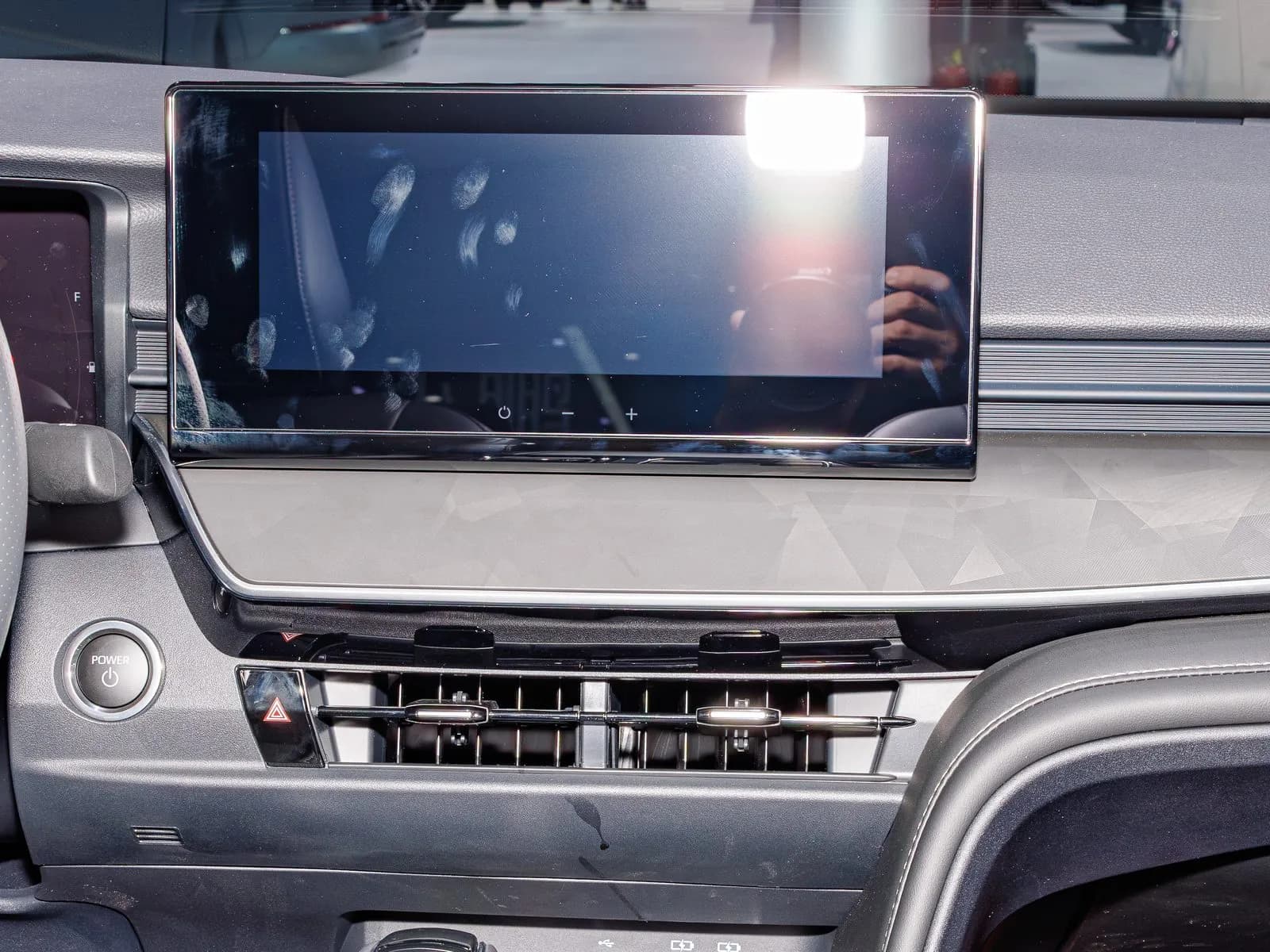
Choose the 2027 model year if your buyers value the newest cabin and you want the car to look current for longer. Choose the 2026 model year if availability and price matter more; as 2026 stock clears, it can be the better value, so ask us for both quotes side by side. Browse the 2027 Toyota Camry and 2026 Toyota Camry line-ups, or start with a popular trim like the 2026 Camry 2.0L Petrol Premium.
FAQs
Which Camry years should I avoid?
The years most often flagged are 2007 to 2009 with the 2.4L four-cylinder, because of oil consumption, and some late-1990s cars affected by engine oil sludge. Even then, a well-maintained car with clear records can be a fair buy.
Is the first year of the XV80 Camry a risk?
The XV80 is still too new for long-term data. The China-market cars we export are 2026 and 2027 model years, built after the generation had already been in production since 2024.
Do the problem years affect China-market Camrys?
Most published problems relate to North American engines and years. The new China-market Camrys we supply use current XV80 powertrains, so those older issues do not apply to them.